The Wall St. 101 Blog

Money & Markets, Explained Simply

Money can be complicated. Learning about it shouldn’t be.

Simple, practical guides to help you understand money, markets and how they work.

Browse by topic

Latest Articles

How much crypto in portfolio — pie chart illustration showing diversified portfolio with a small labelled cryptocurrency slice alongside stocks and bonds

How Much of Your Portfolio Should Be in Crypto?

Wondering how much crypto in portfolio is right for you? Learn how to set a safe crypto allocation based on your goals, risk tolerance,
Stocks vs crypto comparison chart for beginners showing volatility, regulation, and track record side by side on a split-screen graphic

Stocks vs. Crypto: Which Should a Beginner Invest in First?

Stocks vs crypto — which is right for beginners? Compare risk, returns, volatility, and long-term potential to decide where to start investing your money.
What is a crypto wallet — diagram showing hot wallet on phone versus cold hardware wallet device for storing cryptocurrency keys

What Is a Crypto Wallet and Which Type Do You Need?

What is a crypto wallet? Learn the difference between hot and cold wallets, custodial vs non-custodial options, and which type is right for beginners.
What is Bitcoin explained — glowing Bitcoin symbol connected to a blockchain network diagram on a dark digital background

What Is Bitcoin and How Does It Work?

What is Bitcoin? Learn how Bitcoin works, who created it, how transactions are verified, and what makes it different from regular money — in
Beginner learning how to invest in cryptocurrency for beginners on a laptop, with crypto exchange interface and safety checklist visible

How to Invest in Cryptocurrency Safely as a Beginner

Learn how to invest in cryptocurrency for beginners — step-by-step guidance on choosing exchanges, managing risk, and avoiding the most common mistakes.
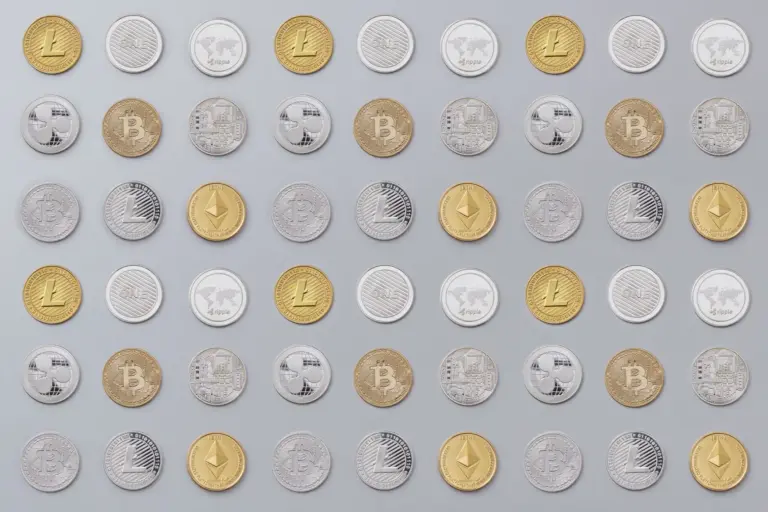
Beginner's guide to what is cryptocurrency — colourful digital coins floating above a glowing blockchain network illustration

What Is Cryptocurrency? A Beginner’s Plain-English Guide

What is cryptocurrency? Learn what crypto is, how it works, the most popular coins, and the real risks — explained in plain English for
Side-by-side comparison of a checking vs savings account showing features and when to use each type of bank account

Checking vs. Savings Accounts: What’s the Difference?

Learn the difference between a checking vs savings account — how each works, when to use them, and how to use both together to
A notebook with SMART financial goals written out beside a monthly savings tracker, illustrating how to set financial goals effectively

How to Set Financial Goals You’ll Actually Stick To

Learn how to set financial goals that last using simple, proven methods. From short-term targets to long-term dreams, turn vague plans into real results.

A scale balancing good debt examples like education and mortgage against bad debt examples like credit cards and payday loans

Good Debt vs. Bad Debt: How to Tell the Difference

Understand good debt vs bad debt in plain English. Learn which types of debt build your future and which drain your wealth — and
A young adult reviewing credit card statements on a laptop, learning how to build credit from scratch with good financial habits

How to Build Credit From Scratch as a Young Adult

Learn how to build credit from scratch with practical steps for young adults. Start with no credit history and establish a strong score that
A credit score meter showing ranges from poor to exceptional, illustrating what is a credit score for beginners

What Is a Credit Score and How Do You Build One?

Learn what is a credit score, how it's calculated, and why it matters for your financial life. Simple steps to start building a strong
A student reviewing a budget on a laptop with a notebook and coins nearby, learning how to save money as a student

How to Save Money as a Student: 15 Practical Tips

Learn how to save money as a student with 15 actionable tips. From budgeting basics to smart spending habits, start building financial skills that
Your next move

The Markets Keep Moving.
Your Learning Should Too.

Reading helps you follow the conversation. Learning helps you understand it. Build practical market skills with Wall St 101.