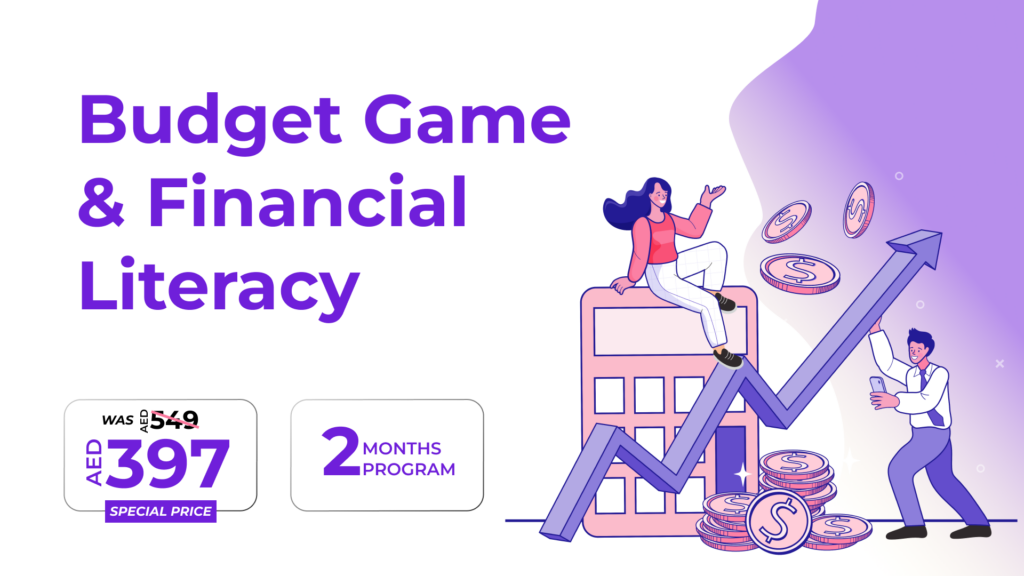
A practical, gamified experience for every beginner, university students, and homemaker to learn budgeting, saving, credit management, and smarter money habits through real-life simulation.
The WallSt101 Budgeting Game gives everyone a safe space to practice managing money before they have to do it in real life. Through realistic scenarios, life events, and guided learning, users build essential financial habits while improving their emergency fund, credit score, net worth, and overall game performance.
This is not just a lesson. It is an experience. The Budgeting Game places you in realistic financial situations where they must manage income, expenses, savings, and credit responsibly. Along the way, they deal with both expected and unexpected life events, helping them understand how everyday decisions shape their financial future.
You learn by doing. As you move through the game, you develop practical financial skills that are relevant to everyday life and future independence.
Key learning outcomes:
The game is built around real-life financial situations, making learning more practical, memorable, and relevant. Instead of only reading about budgeting, students actively experience the trade-offs involved in spending, saving, planning, and dealing with surprises. That hands-on approach makes the lessons more meaningful and easier to retain.
The Budgeting Game uses badges, milestones, rankings, and achievements to keep learners motivated. As you build skills and complete objectives, you can track your progress and see how you compare, turning financial learning into something more interactive and rewarding.
Step 1 — Set the Scenario
The experience can be customized around life-stage scenarios and learning goals.
Step 2 — Start the Game
You begin managing your budget with the goal of growing savings, improving credit habits, and building net worth through responsible decisions.
Step 3 — Navigate Real-Life Events
Unexpected expenses and occasional income changes appear throughout the experience, forcing you to adapt and plan carefully.
Step 4 — Track Progress and Compete
You can measure performance through factors like savings, credit score, and overall score, while rankings add motivation and a healthy sense of challenge.
Wall St. 101 can include integrated lessons and quizzes so you can build financial understanding while you play. It can work as a self-paced learning tool or as a classroom supplement, depending on the structure of the program. Reporting and assessment tools also make it easier to track your progress and understanding.
The Budgeting Game is especially well suited to:
Compete with fellow players in real time
Climb the leaderboard through smarter budgeting choices
Stay motivated with a clear goal and reward
Grand prize for the top-performing player